Dust has a way of appearing everywhere, even in a home that is cleaned regularly. You wipe down the obvious surfaces, vacuum the floors, and straighten up the rooms, only to find a fresh layer of dust waiting for you a few days later. The problem isn’t necessarily that you’re not cleaning enough. Some areas of your home are simply better at catching and holding onto dust than others. From fabric and furniture to narrow spaces and surfaces above eye level, dust can settle in places that are easy to overlook during an everyday cleaning routine. Knowing where those dust traps are hiding can make a big difference in keeping your home feeling fresh.
Your couch may look clean, but fabric furniture can hold onto an impressive amount of dust, hair, crumbs, and other debris. Every time someone sits down, gets up, or moves across the cushions, some of that material can become airborne again. Dust doesn’t only settle on the visible cushions, either. It can collect along seams, underneath cushions, around the sides of the furniture, and along the back where the upholstery meets the frame. Regular vacuuming with an upholstery attachment can help. Remove cushions when possible and vacuum underneath them rather than simply cleaning the surface. Pay particular attention to seams and crevices, where dust and debris naturally collect.
Curtains are essentially large pieces of fabric hanging in the room, so it should come as no surprise that they can collect dust. They can also trap pet hair and other airborne particles as air moves through the room. Give curtains a gentle shake outdoors when appropriate, and vacuum them using a suitable upholstery or brush attachment. Always check the manufacturer’s care instructions before washing or using any cleaning solution. Don’t forget the top edge and the area around the curtain rod. These higher surfaces are particularly easy to overlook because they’re not part of your normal line of sight.
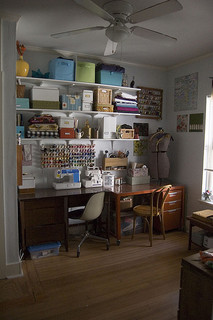
Ceiling fans are one of the classic dust traps because they’re constantly moving air around the room. Dust settles on the blades, and when the fan is turned on, some of that buildup can be redistributed throughout the room. The solution is surprisingly simple: clean the blades regularly instead of waiting until you can visibly see the dust. A microfiber cloth or an appropriate dusting tool can help capture the debris rather than simply knocking it onto the furniture below. And remember to look at the top of the blades. That’s where the dust is usually hiding.
Your vents and return grilles are designed to move air through your home, which means they’re also positioned perfectly to collect dust. Over time, the edges and surfaces can develop a visible layer of buildup. Use a vacuum attachment to remove loose dust before wiping the surface. For removable grilles, follow the manufacturer’s recommendations for cleaning and make sure they are completely dry before replacing them. Air returns deserve special attention because they can accumulate a surprising amount of dust around the edges. Keeping these areas clean helps prevent that buildup from simply becoming part of the home’s circulating dust.
Some of the biggest dust traps are hiding in places you don’t see every day. The space underneath your bed, behind your couch, beneath dressers, and around larger pieces of furniture can collect dust, hair, crumbs, and anything else that makes its way across the floor. Because these areas aren’t visible, they’re easy to skip during a quick vacuum. Whenever possible, move furniture carefully enough to reach underneath and behind it. For heavier pieces that can’t be moved easily, use a vacuum attachment or long-handled duster to reach into the available space. You don’t necessarily have to move your entire bedroom every week, but these areas should be included in your deeper cleaning routine.
Lampshades are another surface that quietly collects dust. Their fabric or textured surfaces can hold onto dust much more effectively than a smooth tabletop. Turn the lamp off and allow it to cool before cleaning. A soft brush attachment or clean microfiber duster can usually remove loose dust without damaging the shade. Work gently, especially with delicate or older materials. While you’re there, don’t forget the top of the lamp, the base, and the area around the cord.
Baseboards sit in one of the dustiest parts of the room: right next to the floor. Dust, hair, and debris can settle along their top edges and corners, where they may go unnoticed until enough buildup becomes visible. Vacuuming along the edges of the room can remove loose debris before you wipe the baseboards. A slightly damp microfiber cloth can then pick up the remaining dust and grime. Pay particular attention to corners, behind doors, and the sections of baseboard hidden by furniture.
Windows are another place where dust can quietly accumulate. Blinds collect dust across their individual slats, while window sills can gather dust, pollen, hair, and other debris. For blinds, work gently with a microfiber cloth or appropriate duster, following the care instructions for the material. Don’t forget the cords and the top portion where the blinds attach. Then move on to the window sill. Vacuuming first can help remove loose debris before wiping the surface clean.
Televisions, gaming consoles, speakers, computer equipment, and other electronics can become surprisingly dusty. Their surfaces often have small edges, vents, and openings that collect debris, while static can attract dust to certain components. Use a clean, dry microfiber cloth for appropriate surfaces and follow the manufacturer’s cleaning instructions. Avoid spraying cleaning products directly onto electronics. Instead, apply any approved product to the cloth when appropriate. Don’t forget the cords and the area behind the equipment, where dust tends to gather undisturbed.
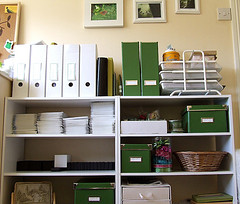
One of the simplest dust traps in your home is also one of the easiest to forget: the tops of objects that are above eye level. The top of a refrigerator, tall cabinets, bookshelves, door frames, picture frames, and even decorative objects can collect a thick layer of dust simply because they’re out of sight. When dusting, occasionally look upward. If you can see the top of a surface, there’s a good chance it could use some attention.
You don’t have to chase every speck of dust around your house every day. A consistent routine makes the job much easier. Start high and work your way down. Dust ceiling fans, shelves, lamps, and other elevated surfaces before cleaning the furniture and floors below. This allows anything that falls during dusting to be picked up later rather than settling onto an already-clean surface. Microfiber cloths are particularly useful because they can capture dust rather than simply pushing it from one surface to another. Vacuuming upholstery, edges, corners, and hard-to-reach areas also helps remove the debris that would otherwise eventually become airborne again.
And don’t forget that dust isn’t just a flat layer sitting on your countertops. It collects wherever air moves, wherever fabric traps it, and wherever your regular cleaning routine doesn’t quite reach. A home can look clean while still having plenty of hidden dust traps. That’s why professional cleaning isn’t just about making the obvious surfaces shine. It’s about knowing where to look and taking care of the details that are easy to miss.
At Maid to Shine, we have an eye for those details. From the top of a ceiling fan to the space behind the furniture, those overlooked areas are part of what makes a home feel truly clean!